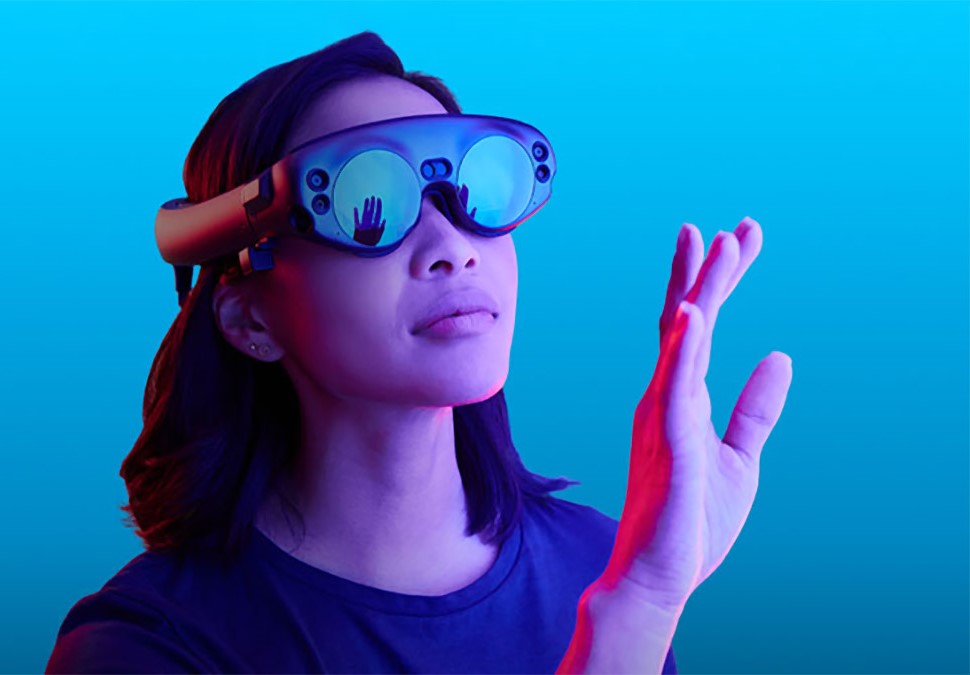
In the modern world of technology, augmented reality (AR) stands out as a key innovation that transforms our perception of the surrounding environment. AR technologies, especially AR glasses, become essential components of smart devices, enriching reality with additional informational layers. From doctors and engineers to ordinary consumers, an increasingly broad range of people encounter the application of AR in everyday life.
AR glasses, based on the technology of merging the virtual and real worlds, provide unique opportunities for interaction with information and the surrounding environment. In this article, we will review the key technological aspects of AR glasses, understand their role in the contemporary world of technology, and explore examples of the best models currently available in the market.
Let’s take a look at how AR glasses work. They use special glasses with cameras and sensors to add virtual objects to the real world around you. Optics inside the glasses project virtual images onto the lenses, making it seem like these objects are right in front of you. As you move, the technology tracks you and adjusts what you see to correspond to what is happening around you. Another notable feature is the ability to interact with virtual objects without using your hands. The technology recognizes your gestures or movements, making the entire experience more natural.
AR glasses serve as a visual key to augmented reality, offering users unique possibilities for interacting with virtual elements in the real world. Let’s take a closer look at some of the best models of AR glasses that embody cutting-edge technological solutions in this field:
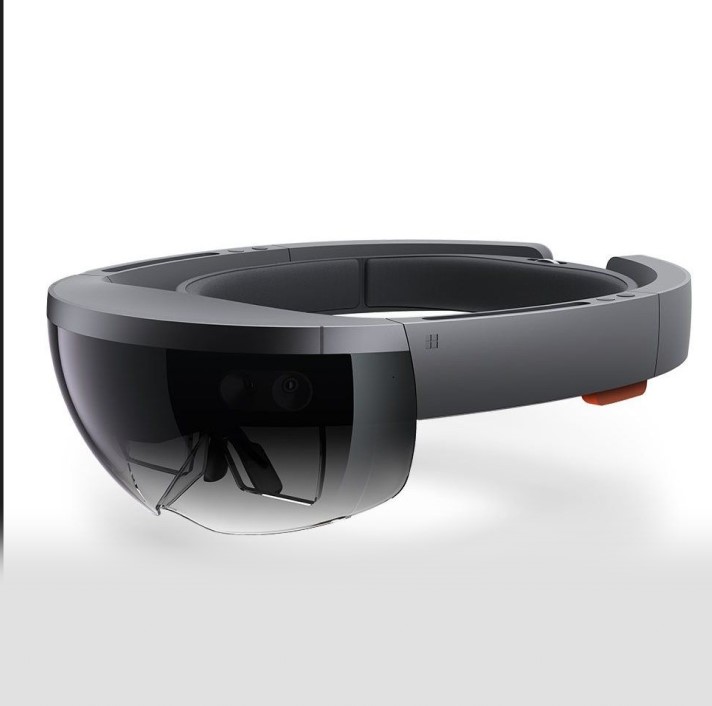
Microsoft HoloLens 2: A Virtual Glimpse into the Future
HoloLens is one of the most well-known AR headsets developed by Microsoft. They are designed for professional and corporate use.
Advantages:
Disadvantages:
It’s also worth highlighting the features of HoloLens 2. The glasses utilize projection optics, allowing virtual objects to seamlessly merge with the real world, providing a stunning visual impact. Integrated voice control facilitates device interaction, freeing the user’s hands for other tasks, and advanced depth sensors and cameras ensure precise perception of the surrounding environment, crucial for creating realistic virtual effects.
Magic Leap One: Magic in Your Hands
Magic Leap One is AR glasses that offer high-quality blending of virtual and real objects in the surrounding world.
Advantages:
Advantages:
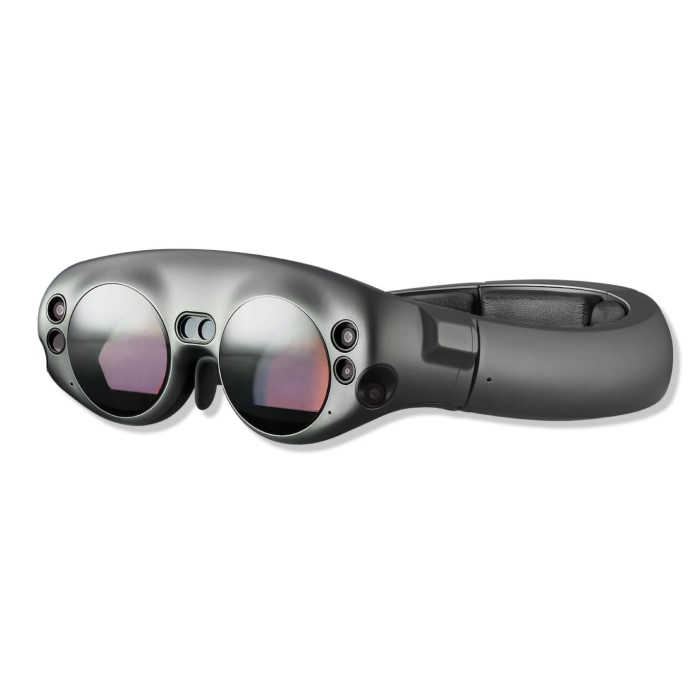
One distinctive feature of Magic Leap One is the use of light field technology, allowing virtual objects to look more realistic and adapt to lighting in the real world. Additionally, the glasses provide highly accurate user position determination in space, ensuring precise interaction with virtual objects.
Google Glass Enterprise Edition 2: A New Perspective on Business
Google Glass Enterprise Edition 2 is AR glasses that were initially intended for a broad audience but were later reworked and introduced for corporate clients. They provide information through a holographic display located in front of the user’s eyes.
Advantages:
Disadvantages:
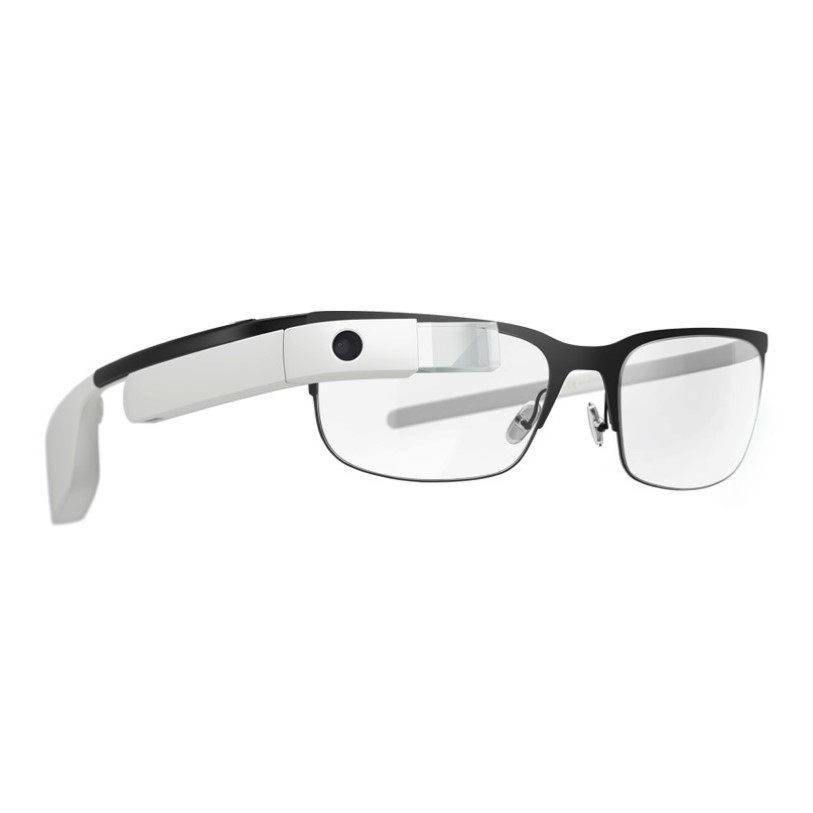
A distinctive feature of Google Glass EE 2 is that they are equipped with a camera that allows users to transmit a real-time video stream, which is useful for remote support and training. The device also focuses on increasing production efficiency by providing information in the user’s field of view and minimizing the need for distractions from tasks.
When deciding on the choice of AR glasses, it is recommended to focus on several key aspects. First and foremost, determine the application area in which you plan to use the device. Technical specifications, such as image quality, interaction capabilities, and sensors, should align with task requirements. Take note of the availability of diverse applications and software, and evaluate the ergonomics and comfort of use. Additionally, do not forget to consider your budget and find the optimal balance between cost and functionality.
In the rapidly advancing world of AR technologies, AR glasses represent an exciting tool that expands the possibilities of interacting with virtual elements in the real world. Examining top models such as Microsoft HoloLens 2, Magic Leap One, and Google Glass Enterprise Edition 2, it becomes clear that each one possesses unique characteristics tailored to different application areas. Despite some challenges and drawbacks, AR glasses serve as a key element of digital progress, propelling us into a future where virtual and real become inseparable, enriching our everyday experiences.


