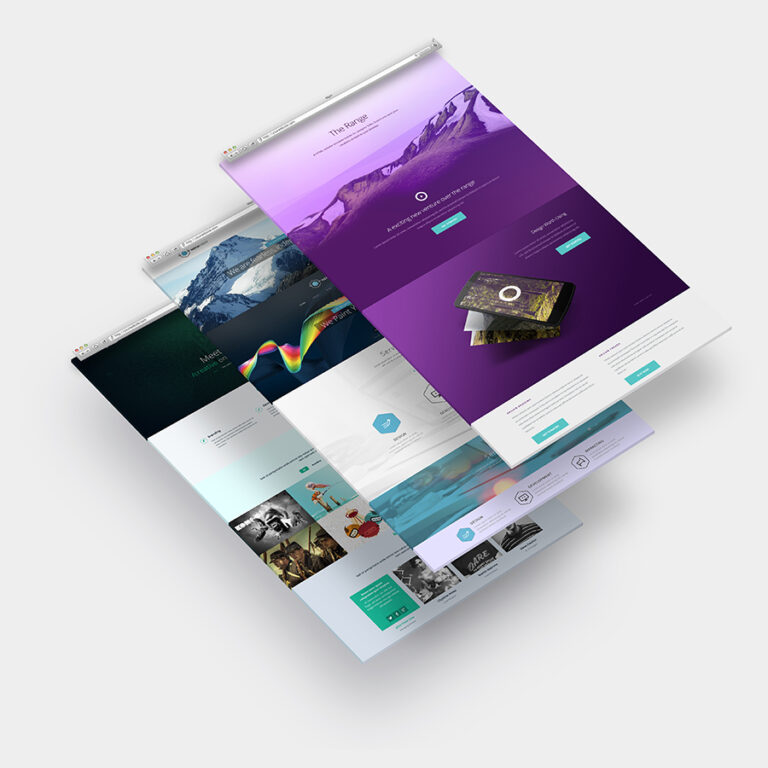
Modern technology is transforming web design, and 3D graphics have become a crucial tool for attracting and retaining users. These elements can turn a standard website into an engaging and interactive space that boosts user involvement and encourages repeat visits. In this article, we’ll discuss how 3D improves retention, share real examples, and provide analytics.
Why Does 3D Graphics Capture Attention?
The interactivity and visual uniqueness of 3D elements make them a powerful means of attracting audiences. Studies reveal that websites with vibrant and innovative visual effects are 32% more likely to retain visitors compared to traditional designs. An attractive site creates a sense of exclusivity, prompting users to spend more time exploring its pages.
The Presence Effect
3D elements like interactive models, moving objects, and virtual tours create a “presence” effect, allowing users to feel part of the space. For example, websites utilizing WebGL technology see users spending 45% more time engaging with the content than those with flat designs.
Examples of Successful 3D Implementation
1. Nike
Nike leverages 3D technology to enhance user experience on their site. The “Nike By You” service enables users to create personalized shoe designs in real-time using 3D models, increasing customer engagement and encouraging repeat visits.
2. Volkswagen
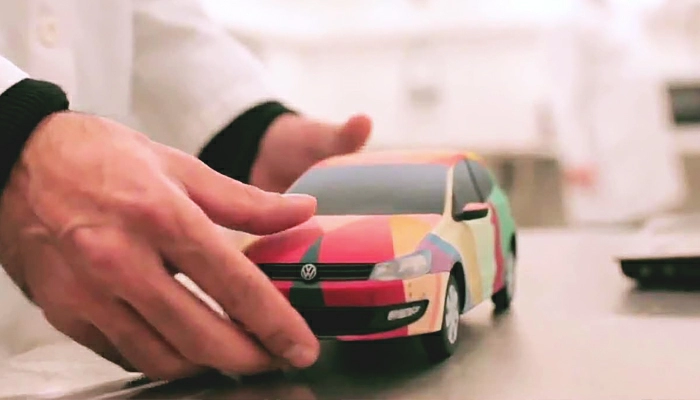
Volkswagen incorporates 3D printing and modeling in its marketing campaigns, offering realistic and interactive car presentations on their website. This attracts potential buyers and boosts their engagement.
3. Louis Vuitton
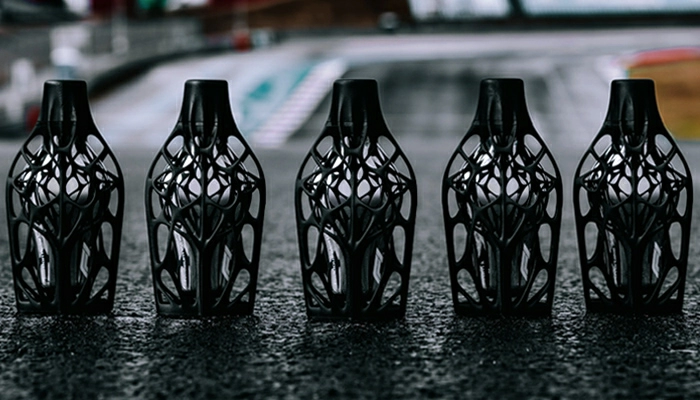
The French luxury brand Louis Vuitton uses 3D technology to create virtual fashion shows and presentations of new collections on its website, providing users with a unique experience and increasing their interest in the brand.
What Do Analytics Say?
How Does 3D Improve Retention?
Recommendations for Implementing 3D Design
1. Optimize Load Speed: Ensure 3D content doesn’t slow down the site by using compression technologies and adaptive graphics for various devices.
2. Ensure Cross-Platform Compatibility: Websites should function seamlessly on computers, tablets, and smartphones.
3. Focus on UX: 3D elements must be intuitive and not distract from the site’s primary functionality.
Using 3D elements is not just a trend but a strategic move to enhance user retention. Companies adopting these solutions benefit from increased engagement, emotional brand interaction, and loyalty growth. Be part of the innovative movement by integrating 3D graphics into your website and watch as it transforms your users’ experience!


